
Clarissa Pinkola Estés uses the mythical tale of the Legend of Selkies to address the metaphor of the wild soul and the instinctual nature of women to hear the call home when they have been gone away from themselves for too long. “Sealskin, Soulskin…tells us about where we truly come from, what we are made of, and how we must all, on a regular basis, use our instincts and find our way home” (Ch9, Intro, para.7).
Sharon Blackie writes in If Women Rose Rooted, that “the Selkie story is a story of a woman who breaks… She has lost her place in the world, and consequently lot her stories…Like the Selkie, so many of us lose our skins, and all too often we lose them early. This can happen in so many ways: it might be stolen by another who does us harm; we might give it away to someone we trust, who then betrays us; or we might hide it for safekeeping and then forget where we hid it” (81).
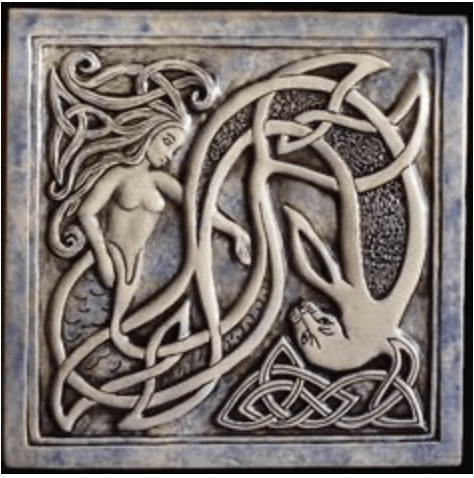
How can we know when our SOULskin is calling? How can we know where we have overstayed and need to return HOME?
…”the woman must understand this herself; when a woman goes home according to her own cycles, others around her are given their own individuation work, their own vital issues to deal with. Her return to home allows others growth and development too” (Ch9, “Staying Overlong”, para.12).
“When a woman speaks her truth, fires up her intentions and feeling, stays tight with the instinctive nature, she is singing, she is living in the wild breath-stream of the soul. (Ch9, “Surfacing” para.7).
Women Who Run With the Wolves by Dr. Clarissa Pinkola Estes
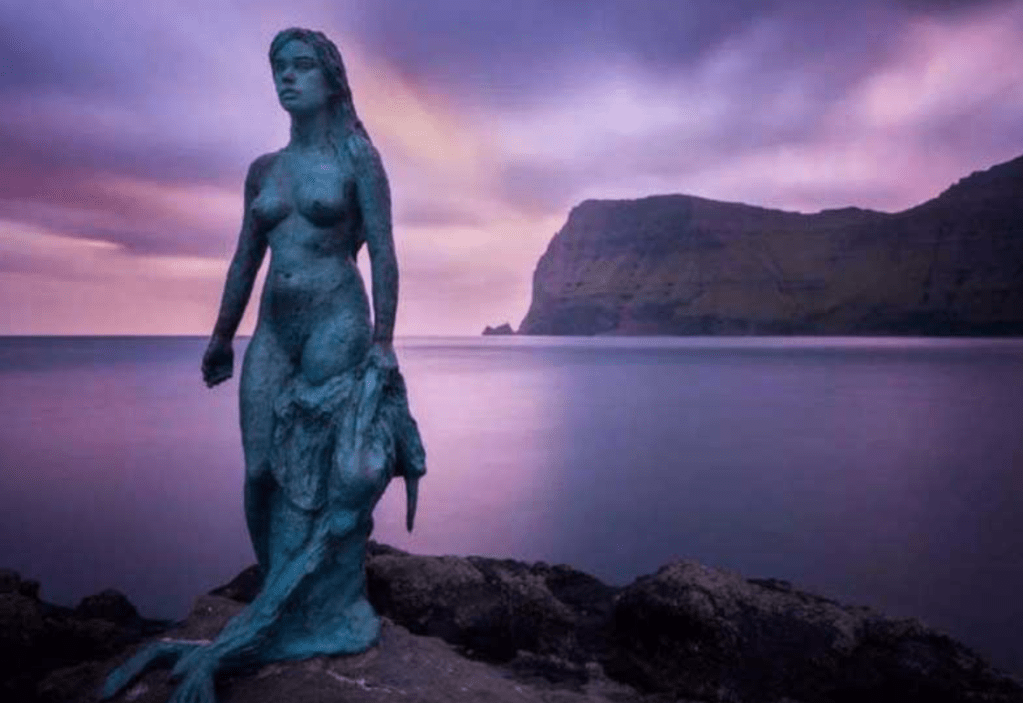
Mikladalur’s Kópakonan – The Seal Wife – on the Faroe Islands
After CPE shares her version of “Sealskin, Soulskin” she breaks the tale into the themes:
- Loss of Sense of Soul and Initiation
- Losing One’s Pelt
- The Lonely Man
- The Spirit Child
- Drying Out and Crippling
- Hearing the Old One’s Call
- Staying Overlong
- Cutting Loose, Diving In
- The Medial Woman: Breathing Under Water
- Surfacing
- The Practice of Intentional Solitude
- Women’s Innate Ecology
Practicing Intentional Solitude
A tool to find our way home is to establish a routine that includes intentional solitude.
“Long ago the word ALONE was treated as two words: ALL ONE. To be all one meant to be wholly one, to be in oneness, either essentially or temporarily. That is the precise goal of solitude, to be all one” (Ch9 “The Practice of Intentional Solitude, para.2)
By simply tuning out distractions we can find solitude. It is by getting in touch with our soul that we can shine our light and become who we are meant to be utilizing the talents that are our birthright.
CPE points out that we need to assess many aspects of our lives:
- habitat
- work
- creative life
- family
- mate
- children
- mother/father
- sexuality
- spiritual life
What needs less? What needs more? Are we on a proper course for our spirit and soul? What needs to be disposed, moved or changed? What needs protection? With practice we can find our own questions for our soul. We can find our own sealskin and reenter the water.
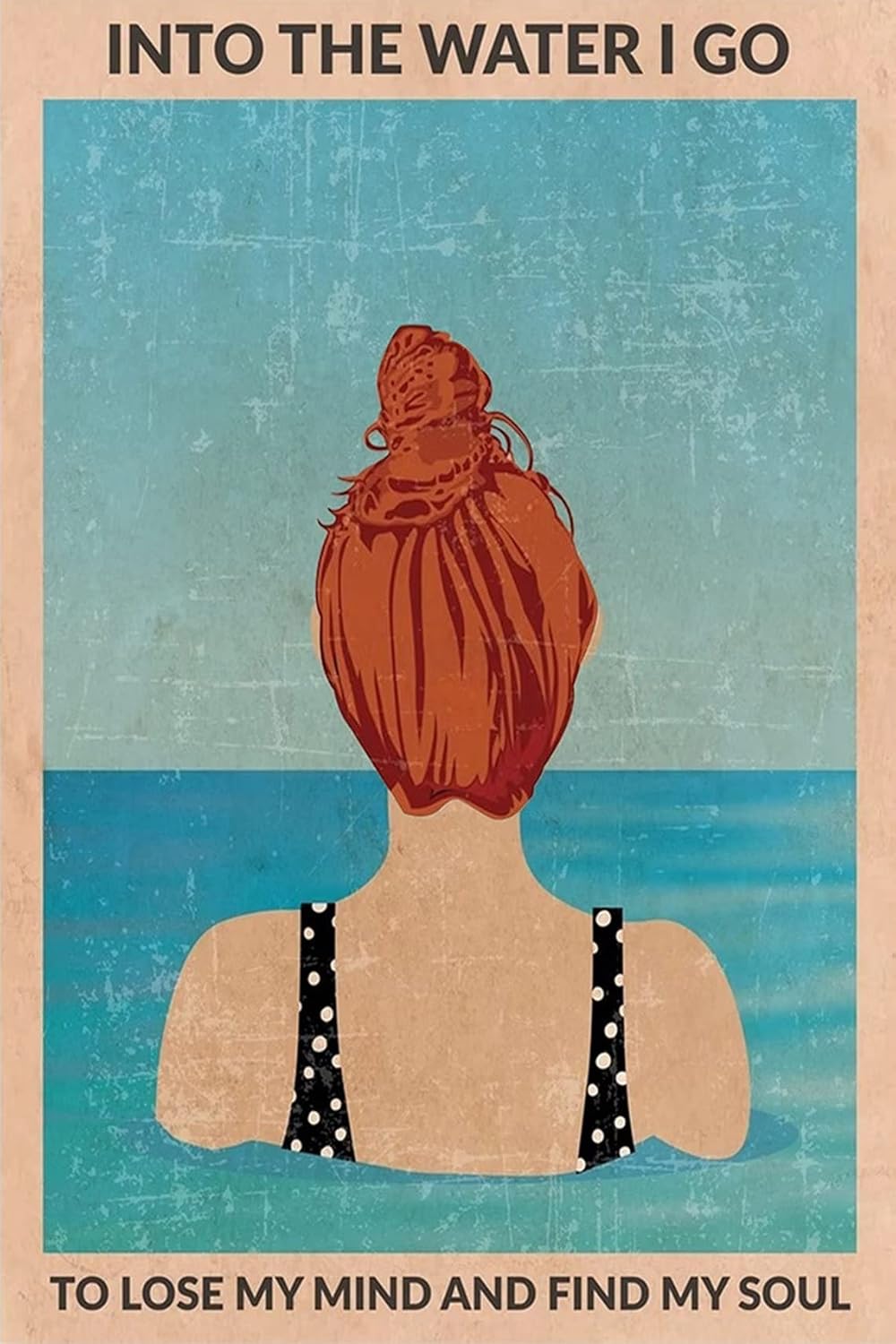
Jung said, “It would be far better simply to admit our spiritual poverty…When spirit becomes heavy, it turns to water…Therefore the way of the soul…leads to the water”.
Ch9 Note 22
 The Power of Story